Salesforce Experience Cloud Support

Expert Experience Cloud Support Built Around How Your Business Grows
Salesforce Experience Cloud Support
Keep Your Experience Cloud Running Smoothly, Reliable, and Ready for What’s Next

Keep Your Experience Cloud Running Smoothly, Reliable, and Ready for What’s Next

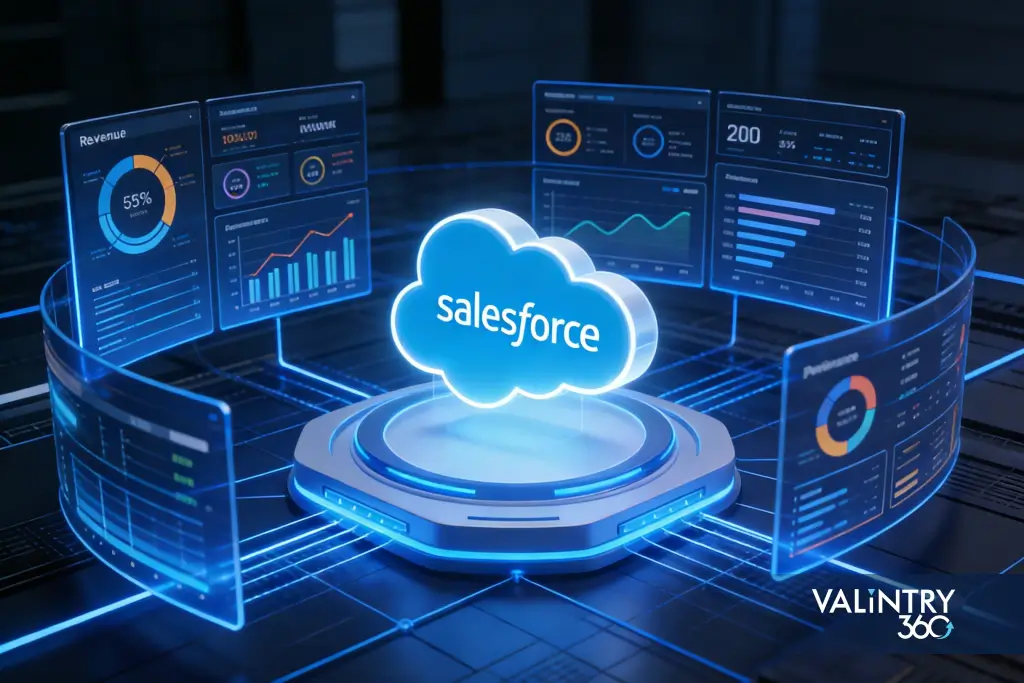
Salesforce Experience Cloud plays a direct role in how customers get support, partners work with your team, and employees access what they need. When problems start showing up, user trust drops fast. VALiNTRY360 provides Salesforce Experience Cloud support for businesses that need steady, informed support beyond basic issue handling. We help keep your portal stable, fix problems quickly, improve usability, and support ongoing changes as your business needs shift. From customer portals to partner and employee communities, our team helps keep the experience useful, reliable, and easier to manage.

What Ongoing Experience Cloud Support Really Means for You

We provide Salesforce Experience Cloud support as an ongoing service that helps keep your portal or community stable, usable, and aligned with daily business needs. Launching the platform is only the starting point. Long-term value depends on how well it is supported, maintained, and improved over time. Our team helps businesses resolve issues faster, manage access and visibility, maintain page and component performance, support connected systems, and keep the user experience aligned with changing needs across customer, partner, and employee audiences.

What We Cover with Our Experience Cloud Support

Effective Salesforce Experience Cloud support should go beyond fixing isolated issues. It should help maintain portal stability, support users, improve usability, and keep the platform aligned with changing business needs. Our support is structured as an ongoing service that helps maintain platform health while continuously improving the overall Experience Cloud environment.

Portal Stability and Issue Resolution

We handle portal issues such as broken pages, component errors, configuration conflicts, and unexpected behavior. Our focus is resolving problems quickly while identifying root causes, helping reduce recurring issues and keeping the experience stable for users.

User Access and Permission Management

User access challenges can affect productivity and user confidence. We support profile management, permission updates, role visibility, and onboarding configurations to ensure users access the right information without delays or security risks.

Page Layout, Navigation, and Experience Improvements

Portals must evolve as user expectations change. We support layout adjustments, navigation improvements, and usability refinements to help users find information easily, complete actions faster, and maintain a consistent experience across the portal.

Knowledge, Self-Service, and Content Support

Effective self-service depends on organized and accessible content. We support knowledge structure, article visibility, and self-service improvements that help users resolve issues independently and reduce unnecessary support requests.

Automation, Workflow, and Integration Support

Experience Cloud relies on automation and connected systems. We support flows, approvals, integrations, and data connectivity to ensure portal actions function correctly and users receive accurate, timely information across connected environments.

Reporting, Analytics, and Continuous Optimization

Understanding portal usage helps guide improvements. We support reporting, dashboards, and engagement tracking to identify friction areas, prioritize enhancements, and continuously improve the Experience Cloud environment as business needs evolve.

Challenges We Help Solve Across Business and Technology

Salesforce Experience Cloud supports customer, partner, and employee engagement, but it also brings ongoing support demands. Access issues, slow pages, sync failures, weak self-service paths, and limited reporting can reduce usability and create extra work for internal teams. Our support approach is built to address the issues that most often affect platform reliability and user experience.

Login and Access Issues That Slow Users Down

Challenge: Users may get blocked by login failures, profile mismatches, permission errors, or role-based visibility issues that take too long to resolve. When access becomes unreliable, portal trust drops and support demand rises.

How We Solve That: We troubleshoot login failures, correct permission and profile issues, and restore access faster so users can get back into the portal without unnecessary delay.

Slow Pages and Inconsistent Portal Performance

Challenge: Portal pages may load slowly, display incorrectly, or behave inconsistently across devices and user types. These issues affect usability and make the experience feel unreliable.

How We Solve That: We review performance issues, assess layouts and components, and make the adjustments needed to improve page behavior and create a more stable user experience.

Integration and Data Sync Problems

Challenge: Experience Cloud often depends on connected systems and reliable data movement. When integrations fail or sync behavior becomes inconsistent, users may see missing information, delayed updates, or broken processes.

How We Solve That: We troubleshoot integration issues, review API and connector behavior, and help restore cleaner, more dependable data flow between Experience Cloud and related systems.

Release-Related Disruptions

Challenge: Salesforce platform updates can affect existing components, custom configurations, and portal behavior in ways that are not always obvious until users start reporting issues.

How We Solve That: We assess release impact, identify functionality risks, and resolve post-release issues so the experience stays more stable through ongoing platform changes.

Weak Self-Service and Case Deflection Performance

Challenge: Self-service areas often underperform when knowledge content is hard to find, search is weak, or support journeys do not guide users clearly enough. That leads to more case creation and less value from the portal.

How We Solve That: We support knowledge visibility, improve content structure, review search and self-service flow issues, and help strengthen the paths that reduce avoidable support demand.

Branding and Navigation Falling Out of Step

Challenge: Over time, portal branding, navigation, and page structure can drift away from current business standards or user expectations. That makes the experience harder to use and less consistent with the rest of the brand.

How We Solve That: We support design updates, theme adjustments, and navigation improvements that help keep the experience current, usable, and better aligned with how the business wants to present itself.

Internal Teams Overloaded with Portal Requests

Challenge:Internal admins often have too many competing priorities to manage portal support, backlog requests, small fixes, and ongoing maintenance with the speed users expect.

How We Solve That:We act as an ongoing support partner that helps handle routine maintenance, issue resolution, and enhancement requests so internal teams are not carrying the full load alone.

Limited Visibility into Usage and Engagement

Challenge:When portal reporting is weak or inconsistent, teams struggle to understand what users are doing, where friction exists, and which areas of the experience need attention.

How We Solve That: We help improve reporting, dashboards, and experience visibility so teams can track engagement more clearly and make better decisions about what to fix or improve next.

How We Support Better User Experience and Stronger Adoption

A portal can work correctly and still underperform if users find it confusing, slow, or hard to use. Ongoing support should improve both technical function and the overall experience. We help reduce friction, improve usability, and support stronger adoption across customer, partner, and employee audiences. 

A Closer Look at How We Deliver Ongoing Experience Cloud Support

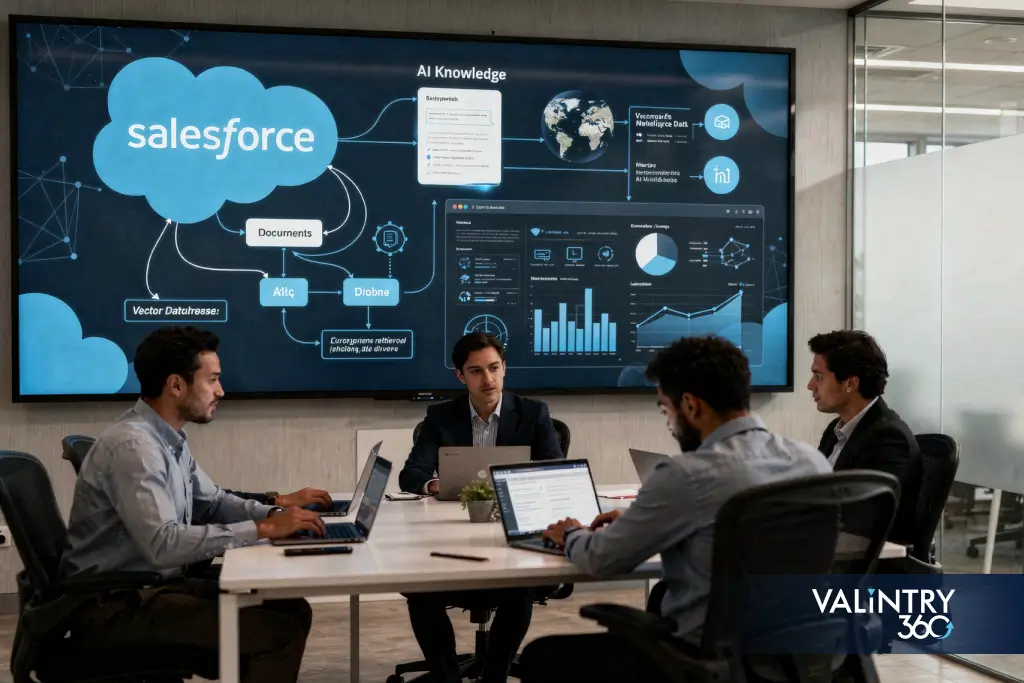
Strong Salesforce Experience Cloud support depends on more than technical skill alone. It also requires structure, continuity, and clear communication. Our delivery approach is built to give teams dependable support, better visibility into requests, and a model that stays aligned with platform needs, user demands, and changing business priorities over time. 

Dedicated Team with Experience Cloud Context

1/4

Support works better when the team already understands your portal structure, user groups, business processes, and history of issues or updates. That context helps reduce delays, improve troubleshooting, and support better decisions across routine requests and urgent portal issues.

  • We work with context from your portal, users, and support history
  • We reduce repeat explanations and speed up issue understanding
  • We support requests with stronger accuracy and better continuity

Structured Request Management

2/4

Support requests should move through a clear process instead of scattered conversations and unclear follow-up. A structured model helps prioritize urgent work, track progress, and give your team better visibility into what is open, active, and resolved.

  • We log requests clearly based on urgency, impact, and type
  • We track status so your team can see progress at each stage
  • We manage incidents and changes through a consistent process

Proactive Monitoring and Reporting

3/4

Ongoing support should not wait until users report problems. A proactive approach helps identify risks earlier, review release impact, and surface issues before they turn into broader portal disruptions that affect users or internal teams.

  • We review portal health and monitor release-related risk areas
  • We flag issues early before they affect users or key processes
  • We share recommendations that support long-term stability

Stakeholder Alignment and Flexible Support

4/4

Support works better when it stays connected to business priorities and portal goals. Regular alignment and flexible engagement options help ensure support remains practical, relevant, and matched to the size and complexity of your Experience Cloud environment.

  • We align support priorities with business and portal needs
  • We review upcoming goals, requests, and improvement direction
  • We adapt support scope to fit your environment and workload

Why VALiNTRY360 Is the Right Support Partner for Salesforce Experience Cloud

Choosing a support partner for Experience Cloud is not just about finding a team that can fix portal issues. It is about working with people who understand the platform, support users with context, and help the experience improve over time. That is where VALiNTRY360 stands apart. 

VALiNTRY360 is a Salesforce-specialist firm with real Experience Cloud focus, not a general support vendor spread across too many platforms. That deeper platform understanding helps us support portals, communities, access models, and connected processes with better accuracy and stronger technical judgment.

Support becomes more effective when the team already understands your portal structure, audience types, business processes, and support history. We maintain that context over time, which helps reduce delays, improve troubleshooting, and support requests without repeated back-and-forth.

Strong support should not begin only after users report problems. We work with a structured support model that includes clear request handling, proactive oversight, regular communication, and better visibility into what is being worked on, what needs attention, and what comes next.

We do more than maintain the portal. Our support helps improve usability, protect platform stability, reduce avoidable support demand, and keep Experience Cloud aligned with changing business needs. That is why clients work with VALiNTRY360 as an ongoing partner, not just a reactive support resource. 

Salesforce Experience Cloud Support FAQ by

valintry 360
If your team is dealing with repeated user issues, slow updates, access confusion, broken components, content gaps, or a growing backlog of portal requests, ongoing support usually becomes necessary. It helps keep the portal usable, current, and easier to manage over time.
Yes. We can step into an existing Experience Cloud environment, review how it is set up, identify current issues, and take over ongoing support. That includes inherited configurations, custom components, integrations, and unresolved requests from earlier work.
Yes. We support standard platform features along with custom pages, components, workflows, and configurations that affect the portal experience. Support is based on how the environment actually works, not only on out-of-the-box functionality.
Yes. Low engagement often comes from poor navigation, weak content discoverability, login friction, confusing page structure, or limited usefulness after sign-in. We review those areas and support changes that make the portal easier to use and more relevant.

Yes. Many teams come to us after launch with outdated layouts, inconsistent permissions, unused components, and unfinished requests. We help clean up the environment, reduce avoidable complexity, and bring more structure to how the portal is supported.

Yes. If your business operates more than one portal, community, or audience-specific site, we can support them within one structured model. That includes coordinating requests across different user groups, site purposes, and operational priorities.

Yes. Search quality has a direct effect on self-service success. We support improvements to knowledge structure, article visibility, category organization, and page-level content presentation so users can find useful information with less effort.
Yes. We often support internal teams rather than replace them. That may include handling overflow work, managing portal-specific requests, resolving technical issues, or taking ownership of areas that your in-house team does not have time to manage closely.
Ongoing support can cover issue resolution, layout updates, permission changes, content updates, workflow fixes, reporting improvements, branding changes, usability refinements, and smaller enhancements that help the portal keep up with business needs.
Yes. Different portal audiences usually need different workflows, content, visibility models, and support priorities. We account for those differences and support each experience according to how that audience interacts with the portal.
Yes. If your portal sees heavier usage during renewals, partner programs, service events, onboarding periods, or internal rollout cycles, we can support those periods with closer monitoring, faster response handling, and stronger operational coverage.
Yes. Ongoing support should make future improvements easier, not harder. We help organize requests, identify dependencies, reduce technical friction, and create a clearer path for enhancements that may be planned across upcoming quarters.
We investigate those issues through structured troubleshooting, user-path review, configuration analysis, and related system checks. Problems that seem inconsistent often come from permissions, browser behavior, data conditions, or component-level conflicts that require deeper review.
Yes. Experience Cloud support is just as important for employee-facing communities. Internal users still need reliable access, clear navigation, useful content, and stable workflows, especially when the portal supports daily tasks, requests, or shared resources.
A portal loses value when it becomes outdated, hard to use, or difficult to maintain. Ongoing support helps keep the platform stable, useful, and aligned with current business needs so the original investment continues to deliver practical value over time.

Claim Your Free Implementation Checklist

Claim Your Free Implementation Checklist

Claim Your Free Implementation Checklist

Connect With Us

Need Urgent Help with your Salesforce