
Salesforce for
Logistics & Supply Chain
Connect Every Move of Your Logistics and Supply Chain Operations with Salesforce Intelligence
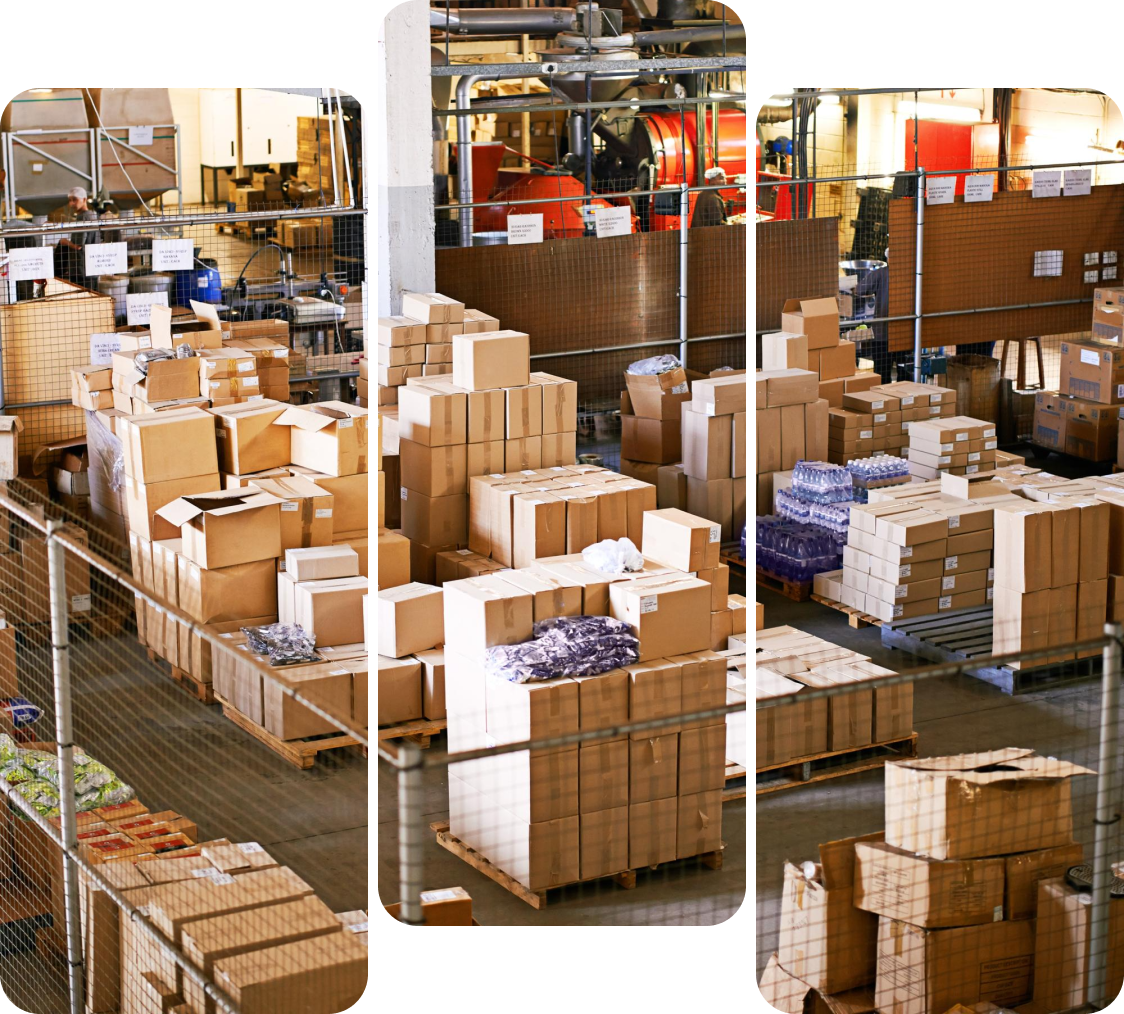
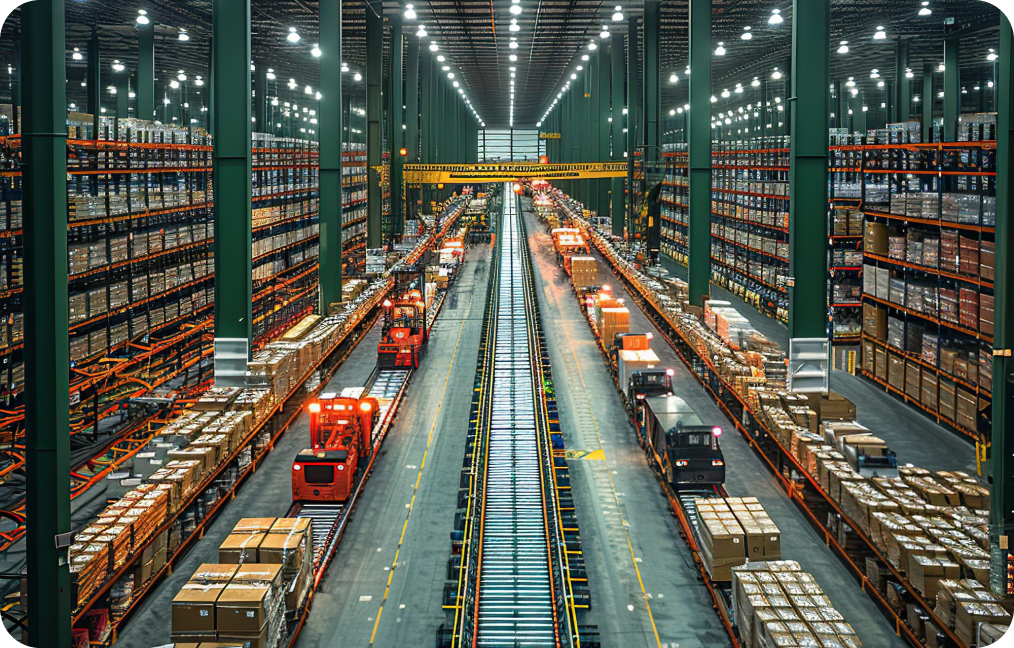
VALiNTRY360 delivers practical, results-focused Salesforce for Logistics & Supply Chain services for companies that need better visibility, stronger coordination, and smarter automation across complex operations. We help logistics, transportation, distribution, and supply chain teams implement, customize, and integrate Salesforce CRM solutions across procurement, inventory tracking, order fulfillment, shipment visibility, carrier coordination, customer service, and last-mile delivery. Our Salesforce logistics consulting approach connects operations, sales, service, ERP, TMS, WMS, and customer data so your teams can work from a more reliable source of truth. Whether you operate regionally or globally, VALiNTRY360 helps you build a scalable Salesforce solution for logistics and supply chain workflows that supports growth, improves service reliability, and strengthens customer relationships.
Salesforce CRM for Logistics, Transportation, and Supply Chain Operations
Our Salesforce for Logistics & Supply Chain services help businesses improve real-time shipment visibility, automate order and service workflows, connect ERP, TMS, and WMS systems, and give teams the insights they need to respond faster across the full supply chain lifecycle.
Key Benefits
- Real-time shipment tracking and delivery visibility
- Automated order, fulfillment, and service workflows
- Salesforce CRM integration for logistics operations
- End-to-end supply chain visibility across teams and systems
- Inventory planning supported by demand and operational data
- Stronger coordination between sales, service, warehouse, carriers, and customers
Core Capabilities of Our Salesforce Logistics Solutions
We centralize shipment, inventory, fulfillment, carrier, supplier, and customer information inside Salesforce so teams can monitor movement, identify delays early, and respond with better operational control.
- Live shipment visibility with GPS, carrier, and ETA data
- Exception alerts for delays, missed milestones, and delivery issues
- Dashboards covering suppliers, warehouses, shipments, transit, and final delivery
- Role-based visibility for operations, sales, service, warehouse, and leadership teams
Our Salesforce CRM solutions support better inventory control across multiple locations by connecting warehouse, demand, order, and fulfillment data.
- Multi-location inventory visibility with real-time updates
- Automated replenishment workflows based on stock levels and demand signals
- WMS integration for synchronized warehouse operations
- Inventory dashboards for operations and planning teams
We simplify order-to-delivery workflows using Salesforce automation and Salesforce Order Management capabilities, helping logistics teams manage complex fulfillment scenarios with greater accuracy.
- Automated workflows for split shipments and backorders
- Rule-based fulfillment logic for faster order processing
- Real-time order status visibility across fulfillment stages
- Customer and internal alerts for order updates, delays, and exceptions
We help logistics teams streamline freight quote intake, pricing workflows, approvals, and follow-ups inside Salesforce.
- Freight quote request tracking
- Approval workflows for pricing and discounting
- Carrier and customer communication history
- Quote-to-shipment visibility for sales and operations teams
We build secure Experience Cloud portals and Salesforce workflows that improve communication across suppliers, carriers, 3PL partners, vendors, and internal teams.
- Real-time purchase order visibility and document sharing
- Vendor and carrier performance tracking
- Service-level monitoring and partner scorecards
- Self-service access for suppliers, customers, and logistics partners
We configure Salesforce Service Cloud workflows to help teams manage shipment delays, damages, customer inquiries, and delivery exceptions faster.
- Automated case creation for shipment issues
- Customer service dashboards with shipment and order context
- Proactive updates for delayed or impacted deliveries
- Support workflows to help reduce repeated status-check inquiries
Using Salesforce analytics capabilities, we help logistics teams anticipate demand shifts, identify operational risks, and improve planning.
- Demand forecasting using historical and live operational data
- Early disruption detection through predictive analytics
- Inventory planning supported by demand and volume trends
- Performance dashboards for supply chain decision-making
We support Salesforce for transportation and logistics workflows that improve routing visibility, carrier coordination, and delivery performance.
- Route planning based on time, distance, and capacity
- Carrier selection and load coordination workflows
- Delivery performance monitoring
- Cost and reliability tracking across transportation operations
How We Deliver Salesforce Implementations with Precision
01
Discovery & Assessment
02
Design & Customization
03
Development & Testing
04
Deployment & Training
05
Optimization & Support
06
Continuous Improvement
How Salesforce Integrates with TMS, WMS, ERP, Carrier, and Warehouse Systems

TMS Integration
WMS Integration
ERP Integration
Carrier and Tracking Integration
IoT and GPS Data Integration
Where applicable, we support GPS and IoT data integration for fleet visibility, asset tracking, temperature monitoring, delivery updates, and operational alerts.
MuleSoft and API-Led Integration
Modern Logistics and Supply Chain Challenges and How We Solve Them
Rising Operational Costs
1/8Challenge: Escalating fuel, labor, and warehousing costs place sustained pressure on logistics margins without access to real-time optimization capabilities.
Our Solution: We apply Salesforce for Logistics & Supply Chain with AI-driven route planning and inventory analytics, helping reduce operating costs through efficient resource allocation and predictive demand forecasting.
Supply Chain Disruptions
2/8Challenge: Port congestion, supplier shortages, and global disruptions create unpredictable delays and inventory gaps across logistics networks.
Our Solution: Using Salesforce CRM for Logistics & Supply Chain, we deliver real-time visibility dashboards and Einstein alerts that support fast contingency planning and alternate routing for continuity.
Poor Inventory Visibility
3/8Challenge: Manual inventory tracking leads to stock shortages, excess inventory, and locked working capital across multi-location warehouses.
Our Solution: Our Salesforce Solution for Logistics Sectors automates multi-site inventory management with replenishment logic and cycle counting, supported by integrated WMS connectivity.
Fragmented Communication
4/8Challenge: Disconnected data between suppliers, 3PLs, carriers, and customers results in delays and frequent coordination issues.
Our Solution: We deploy secure Experience Cloud portals using Salesforce for Transport & Logistics to support real-time purchase order tracking, document sharing, and vendor performance visibility.
Compliance & Regulatory Risks
5/8Challenge: Customs regulations, hazardous materials handling, and ESG reporting requirements increase the risk of penalties and shipment delays.
Our Solution: We configure Salesforce CRM solutions to automate audit trails, temperature monitoring, and compliance reporting, supporting regulatory adherence across global shipments.
Peak Season Scalability
6/8Challenge: Seasonal and e-commerce demand spikes overwhelm legacy systems, causing order backlogs and fulfillment failures.
Our Solution: Our Salesforce for the Logistics Industry architecture scales reliably during peak volumes through automated order orchestration and dynamic fulfillment rules.
Inefficient Order Fulfillment
7/8Challenge: Manual quote-to-cash processes slow fulfillment and increase errors in split shipments and backorder handling.
Our Solution: We implement Salesforce Order Management to automate fulfillment workflows, manage split orders, and prioritize backorders, accelerating logistics execution end to end.
Lack of Predictive Insights
8/8Challenge: Reactive decision-making limits the ability to anticipate demand shifts, capacity constraints, and route disruptions.
Our Solution: We apply Einstein Analytics within Salesforce CRM for Logistics & Supply Chain to forecast demand, optimize routing, and identify risks early for proactive control.

The Features That Drive Our Salesforce Logistics Solutions
Real-Time Tracking & Visibility
1/4We deliver Salesforce for Logistics & Supply Chain with true end-to-end visibility through GPS-integrated dashboards. This approach helps logistics teams monitor shipments continuously and respond faster to disruptions.
- Live shipment tracking with accurate ETA predictions
- Exception alerts for delays, route deviations, or delivery issues
- Custom dashboards tailored for operations and control teams
Inventory & Order Management
2/4Our Salesforce CRM solutions support automated inventory control and structured order fulfillment to maintain consistency across logistics operations.
- Automated stock replenishment based on demand signals
- Multi-warehouse inventory synchronization in real time
- Order orchestration with built-in split shipment handling
Supplier Collaboration Portals
3/4We deploy secure Experience Cloud portals to support close collaboration with suppliers, carriers, and 3PL partners across the Salesforce for Transport & Logistics ecosystem.
- Real-time purchase order tracking and document sharing
- Vendor performance scorecards for service evaluation
- Self-service invoice reconciliation for faster settlements
AI-Powered Forecasting & Optimization
4/4Using Einstein Analytics, we support proactive planning and optimization across logistics networks within Salesforce CRM for Logistics & Supply Chain environments.
- Demand forecasting with seasonal and volume adjustments
- Route optimization to reduce fuel usage and transit time
- Early disruption prediction with contingency planning support
Salesforce, TMS, WMS, and ERP: How They Work Together in Logistics
We deliver Salesforce for Logistics & Supply Chain services that improve operational performance through automation, visibility, and AI-driven insight. As a result, logistics organizations gain measurable efficiency, control, and readiness for long-term growth.
| System | Primary Role | How Salesforce Adds Value |
|---|---|---|
| TMS | Manages transportation execution, dispatch, carrier activity, freight movement, and routing workflows. | Salesforce improves visibility, customer communication, service workflows, quote tracking, and reporting connected to transportation activity. |
| WMS | Manages warehouse inventory, picking, packing, stock movement, and fulfillment activity. | Salesforce connects warehouse data with customer, order, service, and sales workflows for better inventory and fulfillment visibility. |
| ERP | Manages financials, orders, invoices, procurement, vendors, and enterprise operations. | Salesforce connects ERP data with customer relationships, sales workflows, service cases, dashboards, and logistics automation. |
| Salesforce | Connects customer, sales, service, workflow, portal, analytics, and automation layers. | Salesforce gives logistics teams a unified view of customers, shipments, cases, inventory signals, partner activity, and operational performance. |
How Salesforce Delivers Value Across Supply Chain Operations
We deliver Salesforce for Logistics & Supply Chain services that improve operational performance through automation, visibility, and AI-driven insight. As a result, logistics organizations gain measurable efficiency, control, and readiness for long-term growth.
Key Salesforce Products Supporting Logistics and Supply Chain
Data Cloud
Helps unify logistics, customer, order, inventory, TMS, WMS, and service data for stronger analytics and automation.
Sales Cloud
Supports freight sales, shipper account management, quote workflows, opportunity tracking, carrier relationships, and contract renewals.
Service Cloud
Helps teams manage shipment exceptions, customer inquiries, delivery issues, WISMO-related requests, and proactive service communication.
Field Service
Supports dispatch coordination, mobile workforce visibility, delivery team workflows, last-mile service, and field inventory visibility.
Experience Cloud
Enables customer, supplier, carrier, vendor, and 3PL portals for self-service visibility, document sharing, and collaboration.
Salesforce Order Management
Supports order orchestration, split shipments, backorders, fulfillment visibility, and returns-related workflows.


Einstein AI and Analytics
Supports forecasting, anomaly detection, route optimization insights, and proactive decision-making.


MuleSoft
Connects Salesforce with TMS, WMS, ERP, carrier systems, IoT platforms, and external logistics applications.
Why VALiNTRY360 Is a Trusted Salesforce Partner for Logistics
- Certified Expertise
- Proven Methodologies
- Continuous Innovation
- True Client Partnership
Want Better Shipment Visibility Without Adding More Manual Work?
Your customers want faster updates, and your teams need clearer data. VALiNTRY360 helps configure Salesforce to improve shipment tracking, exception handling, service workflows, and real-time visibility across logistics operations.

Browse Our Case Studies
See how VALiNTRY360 has helped logistics companies improve shipment visibility, reduce order exceptions, and connect Salesforce with TMS and WMS platforms for real-time operational control
Salesforce for Logistics & Supply Chain FAQ by VALiNTRY360
We offer ongoing managed services that include performance monitoring, Einstein Analytics refinement, periodic user training, and continuous platform improvements. This keeps Salesforce for Transport & Logistics aligned with operational changes and industry demands.